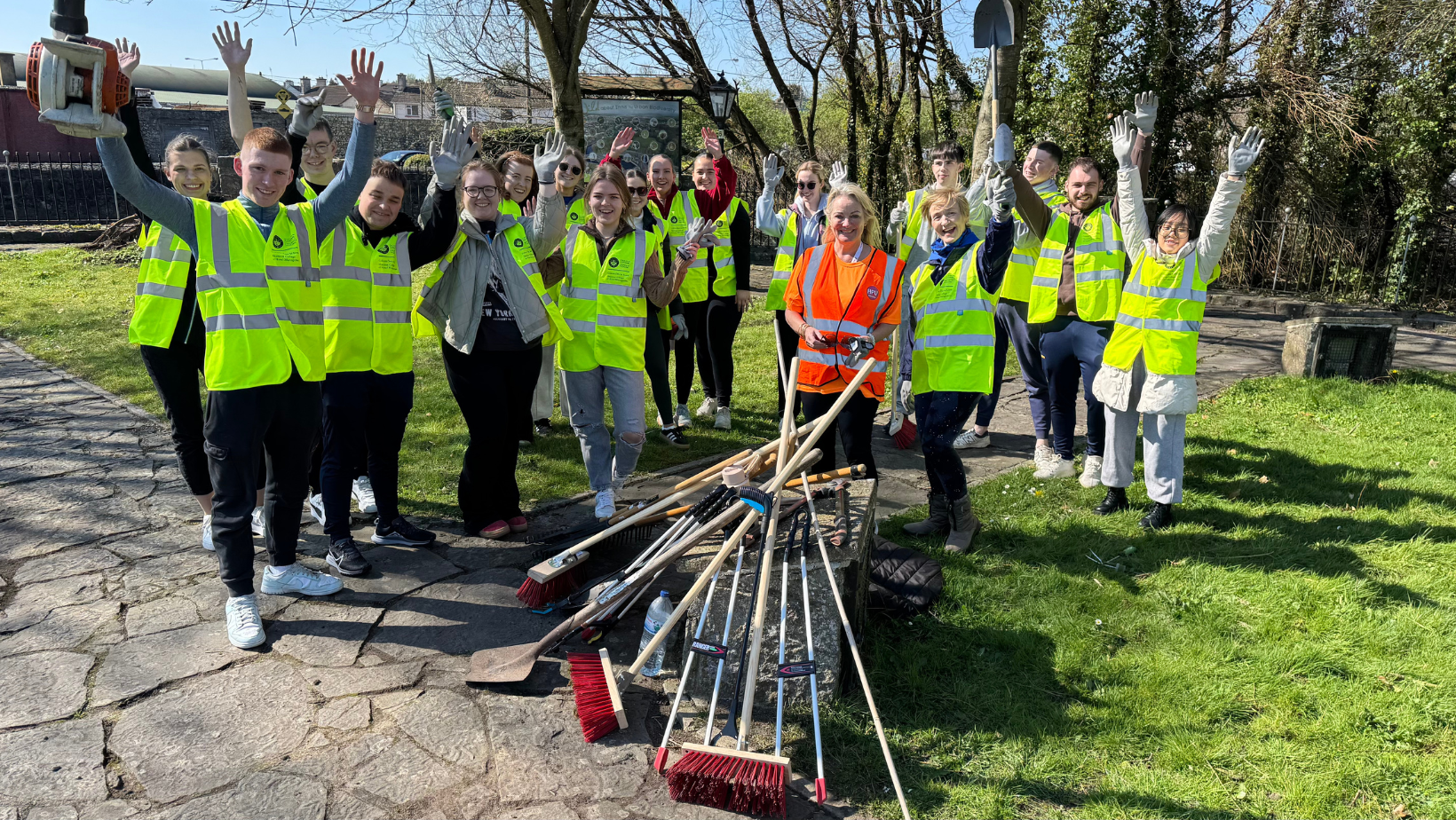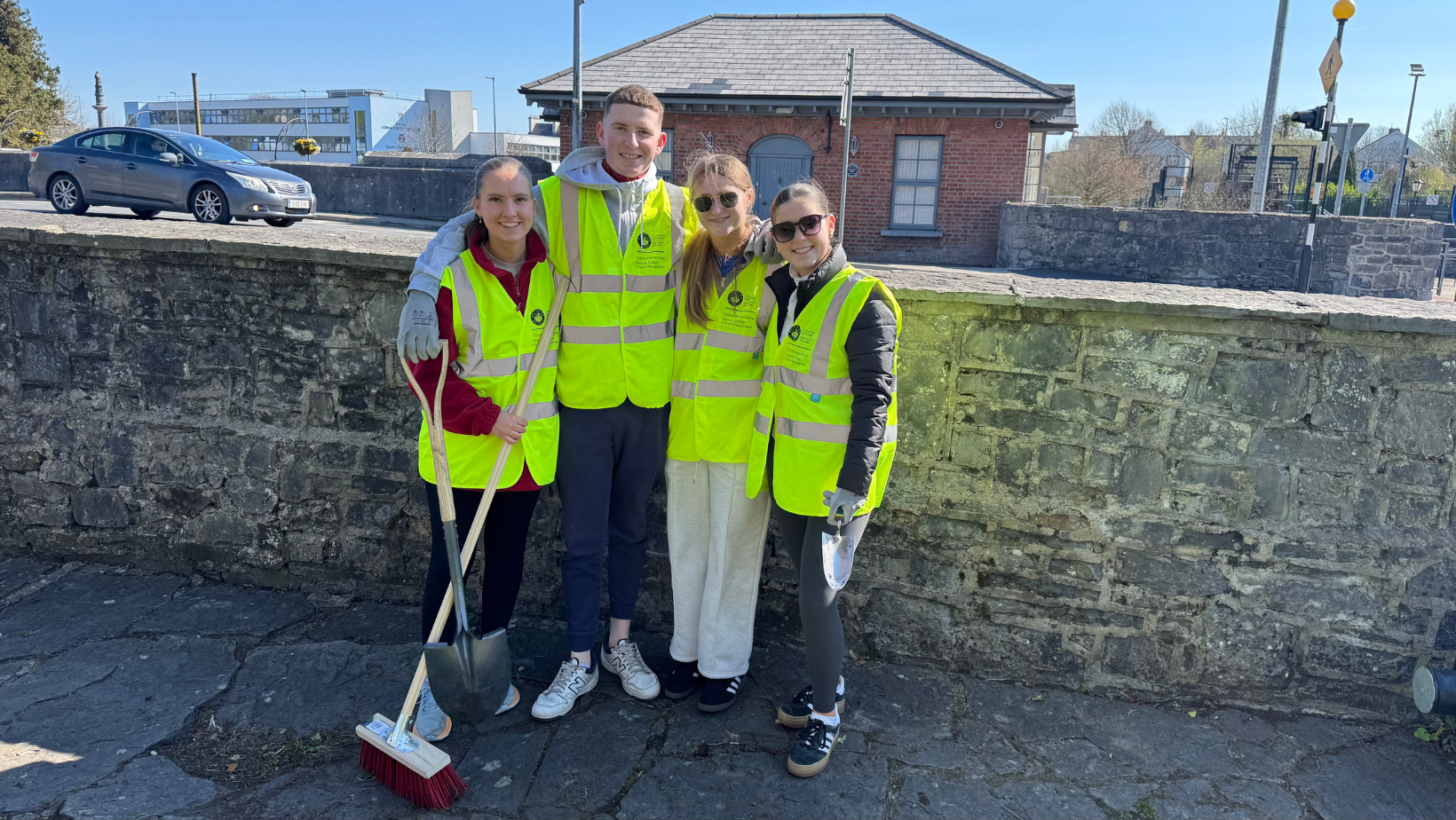
Youth volunteering is often framed as something young people give to society: time, energy, help. It is usually discussed in practical terms — gaining experience, building skills, improving employability. While these outcomes matter, they only capture part of the picture. Research on youth volunteering increasingly points to its role in shaping wellbeing, confidence and long-term development among young people.
A growing body of evidence suggests that volunteering is not simply a contribution outward, but a process that shapes young people internally, influencing how they navigate uncertainty, responsibility and the transition into adulthood.
What the research shows about youth volunteering and wellbeing
Recent evidence from the Economic and Social Research Institute (ESRI), drawing on data from the Growing Up in Ireland longitudinal study, offers important insight into these longer-term effects.
Unlike short-term surveys, longitudinal research follows the same individuals over time, allowing researchers to examine how early experiences relate to later outcomes. In this case, the findings point to a clear association between volunteering during adolescence and higher levels of life satisfaction, self-confidence and overall wellbeing by the age of 20.
Importantly, the research does not suggest that volunteering acts in isolation. Rather, it appears to work alongside other factors — family background, education and community context — to shape young people’s development. What makes volunteering distinctive is that it combines structured responsibility with real-world contribution. Young people are not simply participating in simulated activities; they are engaging in roles where their presence matters and their actions have visible effects.
One of the most significant findings from the ESRI analysis is that the positive association between volunteering and wellbeing is strongest among young people growing up in more disadvantaged areas. In contexts where confidence and overall quality of life may be undermined by social or structural pressures, volunteering appears to act as a protective factor. It does not eliminate inequality, but it helps narrow outcome gaps by providing young people with access to supportive networks, meaningful roles and opportunities to develop a sense of agency.
Rethinking youth development and the role of experience
This has important implications for how we think about youth development. Confidence and resilience are often treated as individual traits — something young people either have or lack. The Growing Up in Ireland findings suggest a different perspective: these qualities are shaped through experience. Volunteering creates environments where young people can be trusted, relied upon and valued — experiences that contribute to a stronger sense of self and capability over time.
Seen in this light, volunteering moves beyond the familiar argument that it “looks good on a CV”. Its value lies not only in skills acquisition, but in the way it supports young people during a critical life stage. As young people navigate identity, increasing independence and uncertainty about the future, access to roles that offer purpose, connection and responsibility can play a meaningful role in shaping their longer-term wellbeing.
For organisations and communities, this evidence reinforces the importance of accessible, well-supported volunteering opportunities for young people. The focus should not be on intensity or volume of participation, but on creating roles that offer genuine responsibility within a supportive environment. When designed in this way, volunteering becomes part of the social infrastructure that supports young people as they move into adulthood — benefiting both individuals and the communities around them.